
Is This AI Image Real? A Practical Verification Guide
When people ask is this ai image real, they usually need a fast but careful answer. The image may be part of a news post, product listing, dating profile, insurance claim, or social media thread.
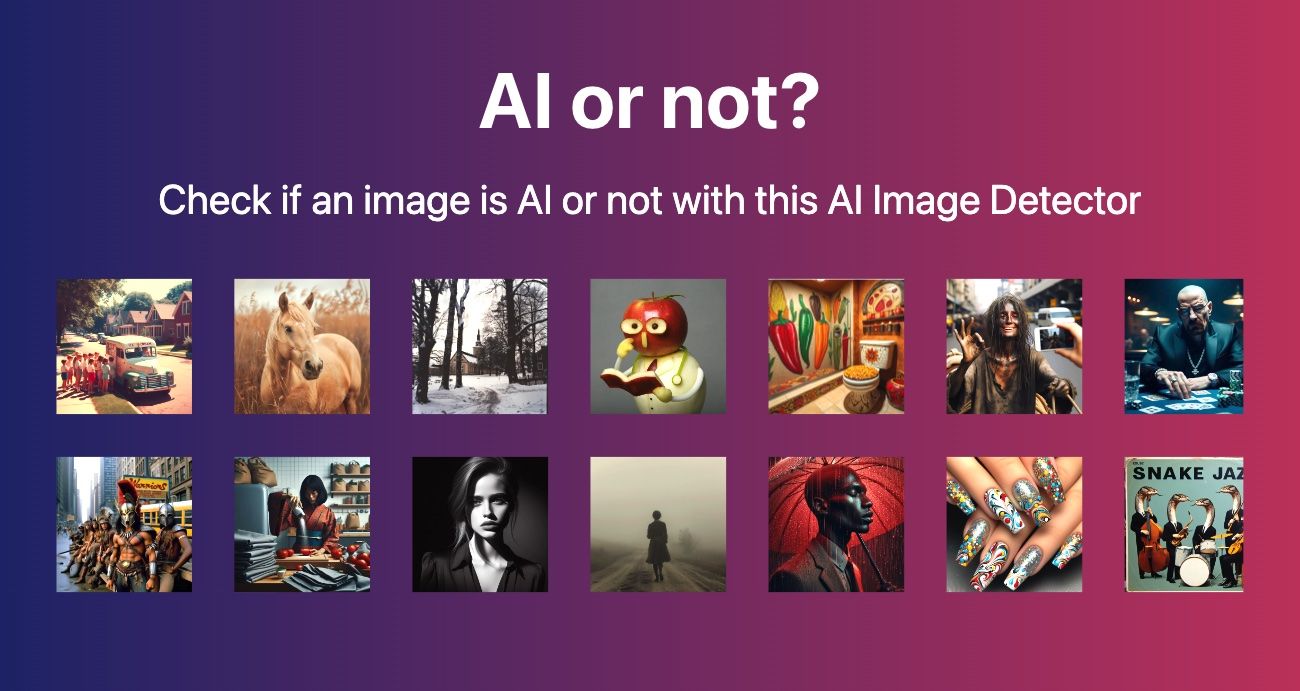
We treat image checks as a risk review, not a guessing game. This guide explains how we assess AI-generated photos with visual clues, context checks, and tools such as AI Image Checker, while keeping the final call honest.
Match the Search Intent Before You Inspect
The search is often urgent because a bad image can shape belief before facts catch up. Some users type is this ai generated, while others ask is this photo ai after noticing strange skin, text, shadows, or backgrounds.
Our first step is to define the decision. A newsroom may need evidence strength, a marketplace may need fraud screening, and a casual user may only need a confidence check before sharing.
Use Evidence, Not One Visual Hunch
Visible artifacts can help, but they are not proof by themselves. The NIST media forensics program shows why image authenticity work benefits from layered evidence, not a single sign.
In our testing, the strongest reviews combine source tracing, metadata checks, visual inspection, and detector output. The fact is that AI systems can create realistic images; our experience is that weak context often matters as much as odd pixels.
A Simple Framework We Use
We use a repeatable workflow because it reduces bias and makes later review easier. Standards work from C2PA also points toward clearer content provenance, though many images online still lack reliable credentials.
- Check the source: who posted it, where it first appeared, and whether the account has a clear history.
- Inspect the image: look at hands, teeth, reflections, text, logos, shadows, and repeated textures.
- Search around it: use reverse image search and compare captions, dates, and related reports.
- Run a tool: use detector output as one signal, then save the result with notes for review.
- Decide the risk: label the image as likely real, likely AI-generated, unclear, or needs expert review.
Apply the Method Across Teams
Editors can use this process before publishing, trust and safety teams can add it to moderation queues, and marketers can review campaign assets before launch. For more workflow ideas, see our related AI image guides.
There are limits. The FTC guidance on AI claims is a useful reminder to avoid overstating what tools can prove, so we document assumptions and revisit high-risk cases when new evidence appears.
Check an Image With More Confidence
Use a structured review and a detector signal before you publish, share, or approve a suspicious image.